Raised on Coffee and Jesus 37 Font Review
It was a Tuesday morning, and the team was prepping a product launch graphic for a new online course. The brief was clear: create something that felt authentic, energetic, and instantly recognizable. As I scrolled through my design assets, I landed on Raised on Coffee and Jesus 37—a font that had been quietly waiting in my library. Its bold, hand-drawn style immediately caught my eye, and I knew it could be the perfect fit for the campaign’s tone.
Visual Style and Personality
Raised on Coffee and Jesus 37 carries a warm, approachable vibe. It’s not just a font; it’s a visual statement. The letterforms have a slightly uneven, almost handwritten feel, which gives it a personal, human touch. This makes it ideal for campaigns that aim to feel more like a conversation than a sales pitch. The font’s personality leans into casual creativity, making it a great choice for brands that want to stand out without being too formal.
Real Campaign Use Cases
During the course launch, we used Raised on Coffee and Jesus 37 for the main headline on the promotional banner. The font’s boldness made it pop against the background, and its unique shape added a sense of energy that matched the course’s theme. We also applied it to social media posts, YouTube thumbnails, and email subject lines. In each case, it maintained a consistent visual identity while keeping the message clear and engaging.
For a seasonal sale announcement, we paired it with a clean sans serif for body text. The contrast worked well—Raised on Coffee and Jesus 37 grabbed attention, while the simpler font provided clarity. On mobile screens, the font remained legible even at smaller sizes, which is crucial for fast-scrolling feeds and thumbnail previews.
Readability and Design Considerations
One of the first things I checked was how Raised on Coffee and Jesus 37 performed on mobile devices. The font holds up well in small sizes, but it’s best suited for short headlines or callouts rather than long paragraphs. For digital ads, website banners, or email headers, it works beautifully. However, if you’re planning to use it for dense information or lengthy text blocks, it might not be the best choice.
The font also performs well on both dark and light backgrounds. Its weight and spacing allow it to remain readable without appearing too harsh. When used as an overlay on images, it maintains its character without getting lost in the visuals.
Best Use Scenarios
Raised on Coffee and Jesus 37 shines in situations where visual impact matters most. It’s perfect for logos, display text, and decorative titles. For example, when designing a webinar banner, we used it for the event title, which helped set the tone and draw attention. It also worked well for a content series promo, where the font’s personality aligned with the brand’s creative voice.
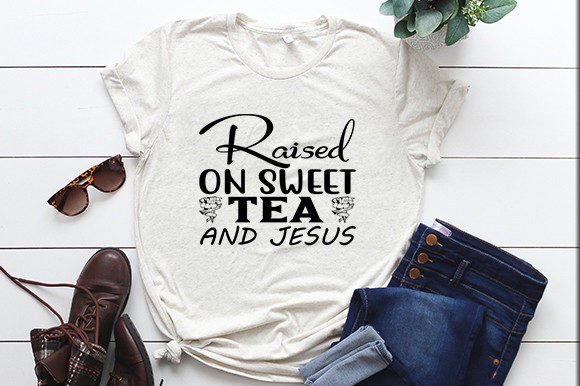
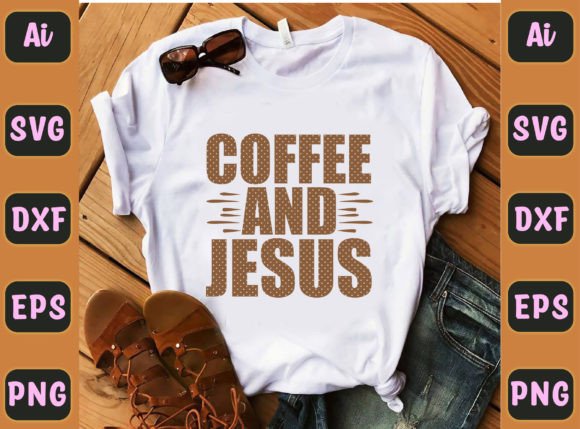
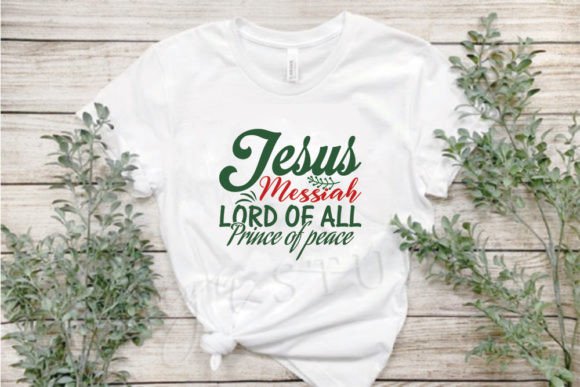
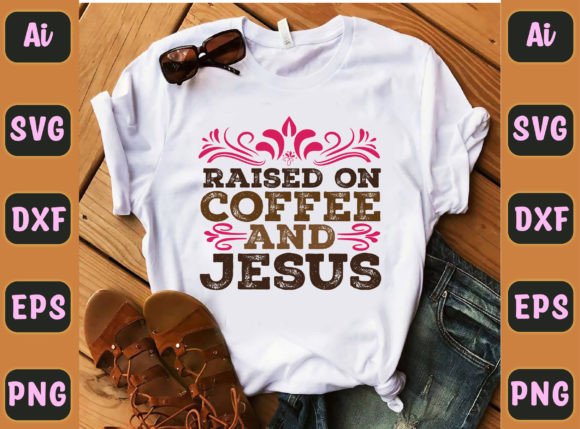
As a T-Shirt Design, it adds a fun, expressive element that can be easily adapted for different styles. Whether paired with a minimalist layout or a bold graphic, it brings a sense of authenticity that resonates with audiences.
Font Pairing and Practical Tips
When working with Raised on Coffee and Jesus 37, it’s helpful to pair it with a complementary typeface. A simple sans serif like Helvetica or a serif font like Georgia can balance its boldness and provide better readability for longer text. For a more modern look, pairing it with a script font can add a layered, elegant feel.
Before using it in any campaign, check the file formats included. The SVG and DXF files make it versatile for different design software, which is a big plus for workflow efficiency. Also, ensure that the font supports the languages and characters needed for your project. If you're planning to use it in commercial campaigns or merchandise, verify the licensing terms to avoid any legal issues.
Campaign Consistency and Brand Recognition
Using Raised on Coffee and Jesus 37 across multiple platforms helps reinforce brand recognition. Its distinct style becomes a visual signature that audiences can quickly associate with your brand. Whether it's on Instagram posts, YouTube thumbnails, or digital ads, the font contributes to a cohesive and memorable campaign identity.
That said, it’s important to use it strategically. Overusing it can dilute its impact. Instead, reserve it for key elements like headlines, logos, and promotional tags. This ensures that it remains effective without overwhelming the design.
In a recent email promotion, we used it sparingly for the subject line and a call-to-action button. The result was a visually appealing, easy-to-read email that drove higher engagement. It proved that even a bold, expressive font can work well within a structured design system when used thoughtfully.